
Key Takeaways
- Have your chimney inspected at least once a year, even if you only use the fireplace occasionally.
- Schedule sweeping when soot buildup reaches about 1/8 inch or sooner if glazed creosote is present.
- Heavy-use fireplaces may need cleaning more than once a year.
If you are wondering how often you should sweep your chimney, the safest answer starts with an annual inspection. Capitol Chimney has served Central Texas homeowners for more than 20 years, and we regularly see how fireplace use, weather, and buildup can change from one home to the next. As a result, inspection frequency should stay consistent even when cleaning frequency varies.
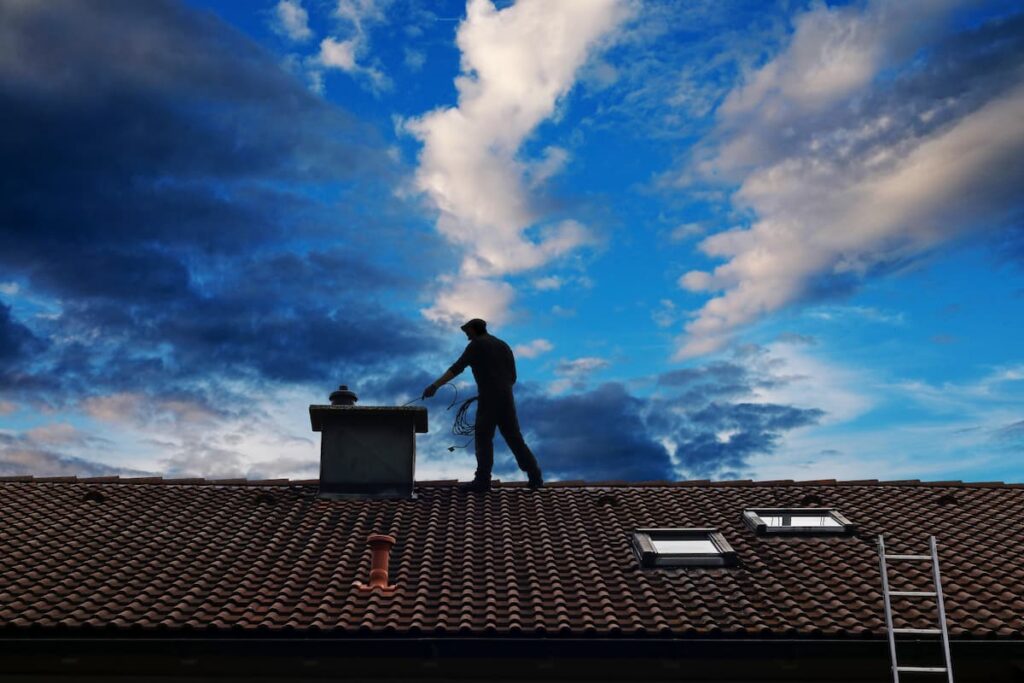
How Often Should a Chimney Be Inspected?
The National Fire Protection Association recommends that chimneys, fireplaces, and vents be inspected at least once a year for soundness, deposits, and proper clearances. Cleaning and repairs should be completed when needed. The Chimney Safety Institute of America follows the same annual inspection guidance.
For Austin-area homeowners who regularly burn wood, we also recommend annual inspections.
An inspection can catch more than soot. A technician may also find blockages, animal activity, damaged components, or deterioration that could affect safe venting.
How Often Should You Sweep Your Chimney?
How often you need actual sweeping depends largely on how much you use the fireplace.
| Fireplace Use | Recommended Approach |
| Occasional or seasonal use | Annual inspection, with sweeping as needed |
| Regular winter use | Annual inspection and likely yearly sweeping |
| Heavy or frequent use | Inspect yearly and consider additional sweeping based on buildup |
A chimney sweep in Austin may recommend more frequent service if your fireplace sees regular use through the cooler months or if creosote develops quickly.
Why Creosote Buildup Matters
Creosote forms when smoke and combustion byproducts cool and collect along the chimney walls. It may appear flaky, sticky, tar-like, or hard and glazed. Regardless of its form, creosote is combustible and can contribute to chimney fires when enough accumulates.
CSIA recommends sweeping open masonry fireplaces when soot buildup reaches about 1/8 inch, and sooner if glazed creosote is present.
That glazed buildup is especially important to address because it can be more difficult to remove than ordinary soot.
Risks of Delaying Chimney Cleaning
Putting off service can allow buildup or hidden damage to worsen. Over time, homeowners may face:
- Greater chimney fire risk
- Blockages that interfere with proper venting
- Smoke or odors entering the home
- Repairs that become more involved later
Annual service gives you a chance to address those issues before fireplace season is in full swing.
Recommended Chimney Maintenance Schedule
For most Central Texas homeowners, a simple routine works well:
- Schedule an inspection every year.
- Clean the chimney whenever buildup reaches unsafe levels.
- Book additional service if fireplace use increases significantly.
- Call sooner if you notice smoke problems, unusual odors, or visible damage.
Early spring can be a convenient time to schedule service because it comes after peak fireplace use and before the busier fall season. Capitol Chimney also recommends regular chimney cleaning at least annually for many wood-burning systems, depending on use.
Chimney Sweep FAQs
Do I need an annual chimney sweep if I rarely use my fireplace?
You still need an annual inspection. Cleaning may not be necessary every year if buildup is minimal, but the inspection can identify blockages or damage.
Can I tell if my chimney needs cleaning myself?
Not always. Creosote and damage can develop in areas that are difficult to see from the fireplace opening.
Should heavy-use fireplaces be cleaned more often?
Yes. Frequent burning can lead to faster buildup, so some homes may need sweeping more than once per year.
Schedule Your Chimney Service With Capitol Chimney
Regular inspections and timely cleaning help keep your fireplace ready to use safely when cooler weather arrives. Capitol Chimney serves homeowners throughout Austin, New Braunfels, San Marcos, and surrounding Central Texas communities.
Make an appointment or call Austin at (512) 428-8679 or San Marcos and New Braunfels at (830) 999-4056. Let’s get started!
Image Credit: Astrid Gast / Shutterstock